What is Diabetes?
Diabetes is a chronic metabolic condition in which the body is unable to properly control blood sugar levels. It may happen when the body does not produce enough insulin or cannot use insulin effectively.
Proper diagnosis, regular monitoring, lifestyle changes, diet control and medical treatment can help patients manage diabetes effectively and prevent long-term complications.
Types of Diabetes
Diabetes can affect people of different age groups and may appear in different forms. Early detection and proper treatment are important for maintaining good health.
- Type 1 Diabetes: Usually develops when the body produces little or no insulin.
- Type 2 Diabetes: Commonly linked with insulin resistance and lifestyle factors.
- Gestational Diabetes: Diabetes that develops during pregnancy.
Common Symptoms
Symptoms may vary from person to person, but common signs include frequent urination, excessive thirst, tiredness, blurred vision, slow wound healing and unexplained weight changes.
How Diabetes Affects the Body
If diabetes is not properly controlled, it may affect the heart, kidneys, eyes, nerves and blood vessels. Regular follow-up helps reduce the risk of complications.
Diabetes Management
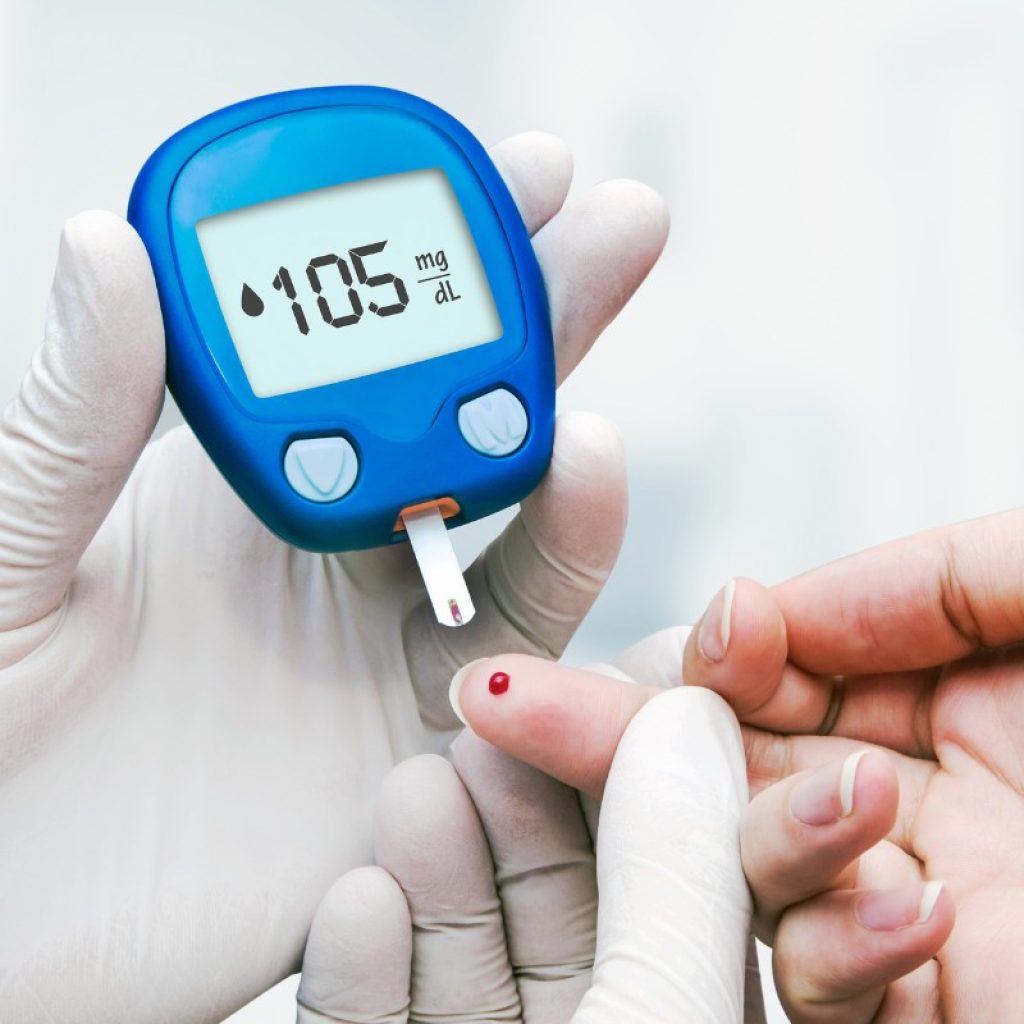
- Blood sugar monitoring
- Diet and lifestyle guidance
- Medication and insulin management
- Prevention of diabetes complications
- Long-term follow-up and support